Lifelong Learning for Older Adults: How Staying Curious Can Support Healthy Aging 

Learning doesn’t stop when we finish school, retire from a career, or reach a certain age. There are always opportunities to discover new interests, revisit old passions, and explore something new.

Lifelong Learning for Older Adults: How Staying Curious Can Support Healthy Aging

August 27, 2026

Learning doesn’t stop when we finish school, retire from a career, or reach a certain age. There are always opportunities to discover new interests, revisit old passions, and explore something new. 

For older adults, lifelong learning can be an important part of staying engaged, connected, and curious. And it doesn’t have to mean sitting in a classroom, it can happen just about anywhere—at home, in the community, outdoors, or alongside friends, family, and neighbors.  

Here are a few ways lifelong learning can be part of healthy aging. 

Keep Your Mind Engaged 

Our brains naturally change as we age, but our ability to learn continues throughout our lives. Activities that challenge us to think, remember, create, and problem-solve can provide valuable mental stimulation. 

According to the National Institute on Aging, staying engaged in meaningful activities as we grow older may have cognitive benefits. Research has explored activities ranging from photography and quilting to music, theater, dance, and creative writing. 

Reading a book, learning a new game, attending an educational program, completing a puzzle, or trying a creative activity are all simple ways to keep the mind engaged. 

Stay Curious and Try Something New 

Curiosity can keep life interesting at any age. Think about something you’ve always wanted to learn or try but never had the time to explore. 

That might mean: 

  • Taking an art, cooking, or music class 
  • Learning to use new technology 
  • Joining a book or discussion group 
  • Trying a new type of exercise 
  • Attending a lecture or educational program 
  • Exploring local history 
  • Learning a new game or hobby 

You don’t have to master something for the experience to be worthwhile. Simply challenging yourself to try something different can bring a sense of accomplishment and enjoyment. 

Learn With Others 

Learning can be even more meaningful when it’s shared. 

Classes, clubs, discussion groups, and other activities provide opportunities to explore an interest while meeting people and building relationships. The National Academies of Sciences, Engineering, and Medicine has highlighted the important relationship between social connection, health, and well-being among older adults. 

Learning also doesn’t have to mean being the student. Sharing a skill, mentoring someone, telling stories, or teaching others about something you love are meaningful ways to stay engaged, too. 

Rediscover Something You Love 

Lifelong learning isn’t always about discovering something new. Sometimes, it’s about returning to something that once brought you joy. 

Retirement and later life may provide more time to revisit interests that took a back seat during busier seasons of life. Gardening, painting, woodworking, writing, music, photography, cooking, or studying a favorite subject can all offer opportunities to continue growing and exploring. 

An old interest might even lead to something new—a friendship, a goal, or another passion you didn’t expect to find. 

Find What Keeps You Curious 

There is no single right way to practice lifelong learning. The most meaningful activities are often the ones that genuinely interest you. 

Ask yourself: What would I love to know more about? 

Then start there. 

Whether you’re discovering something for the first time or returning to a lifelong passion, continuing to learn can help make every stage of life more engaging, connected, and fulfilling. 

Continue the Conversation: The Lifelong Learning Advantage 

Want to learn more about the connection between lifelong learning and healthy aging? 

Watch our on-demand Grace Presents webinar, The Lifelong Learning Advantage: Curiosity, Connection, and Healthy Aging. Where we explore how lifelong learning, curiosity, and meaningful connection can support well-being as we age—and the many ways continuing to learn and engage can enrich our lives at every stage. 

Keep Learning at a Grace Management, Inc. Community 

At Grace Management, we believe opportunities to learn, grow, and connect should continue throughout life. Through our Vibrant Living approach, residents can explore programs and experiences designed around their interests and passions. 

Ready to see what life at a Grace Management community can offer? 

Find a Grace Management community near you and discover more opportunities to keep learning, growing, and living vibrantly. 
How to Choose a Senior Living Community with Confidence: Practical Tips to Help You On Your Search

If you’re wondering, “Am I doing this the right way?” you’re not alone. Here are a few practical tips to help you navigate the process with confidence.

How to Choose a Senior Living Community with Confidence: Practical Tips to Help You On Your Search

July 28, 2026

For many families, searching for senior living is unfamiliar territory. There are tours to schedule, questions to ask, and important decisions to make—all while trying to determine what will be the best fit for yourself or a loved one. 

If you’ve ever found yourself wondering, “Am I doing this the right way?” you’re not alone. Whether you’re just beginning your search or narrowing your options, here are a few practical tips to help you approach the process with greater confidence. 

Remember Your “Why” 

Before scheduling tours or comparing amenities, take a moment to think about why you’re exploring senior living in the first place. 

Whether you’re looking for additional support, greater peace of mind, more opportunities for connection, or an easier day-to-day lifestyle, keeping that purpose front and center can help guide your decisions throughout the search. 

When you stay focused on your “why,” it becomes easier to evaluate communities based on what matters most—not just what’s new or impressive. 

Start Narrow, Not Wide 

It can be tempting to tour every community in your area, but taking a more focused approach can make the process much more manageable. 

Start by researching communities online. Read reviews, explore their websites, and ask trusted friends, healthcare professionals, or local resources for recommendations. From there, narrow your list before scheduling tours. 

Visiting two or three communities at a time allows you to compare your options more thoughtfully and helps prevent each experience from blending together. 

Expect Emotions Along the Way 

Searching for senior living is about more than comparing floor plans or amenities. 

It’s also completely normal to experience emotions like uncertainty, fear, sadness, or even guilt throughout the process. 

Rather than letting those feelings drive your decisions, acknowledge them and come back to your “why.” Staying grounded in what you’re hoping to gain—for yourself or your loved one—can help make the process feel clearer and less overwhelming. 

Look Beyond the Beautiful Lobby 

A welcoming entrance and beautiful common spaces certainly make a great first impression—but they’re only one part of the story. 

As you tour communities, look beyond the aesthetics and pay attention to the experiences that shape everyday life. 

  • Care & Support: Ask what happens on a difficult day—not just a good one. Understanding how a community adapts to changing needs can provide valuable insight into the level of care and support available. 
  • People & Culture: Observe how associates interact with residents. Do they greet one another by name? Do conversations feel genuine? The relationships within a community often say more than any brochure can. 
  • Daily Life & Connection: Can you picture yourself—or your loved one—living there? Look beyond the activity calendar and consider whether residents seem engaged, connected, and comfortable in their surroundings. 
  • Trust & Communication: Pay attention to how questions are answered. A community that communicates openly, listens carefully, and takes time to understand your needs helps build confidence throughout the decision-making process. 

When these elements come together, that’s when a community begins to feel like home. 

As Abby Romaine, Vice President of Growth Marketing at Grace Management, Inc. shared during a recent Grace Presents webinar, Beyond the Beautiful Lobby: An Insider’s Guide to What Really Matters When Choosing Senior Living: 

“The goal is really to determine how we can best support the resident, and whether our community is the right fit for their needs.” 

That’s exactly what the senior living search should be about — finding the community that’s the right fit for you or your loved one.  

Finding the Right Fit 

There isn’t a perfect formula for choosing a senior living community, and every family’s journey will look a little different. 

Take your time, ask thoughtful questions, and trust what you observe. While beautiful spaces and amenities certainly matter, it’s the people, culture, care, and everyday experiences that ultimately make a community feel like home. 

Ready to continue your search? Explore Grace communities across the country and find a community near you. No matter what you’re looking for, we’re here to help you find the right fit. 

Summer Wellness for Older Adults: 5 Tips for Staying Safe, Active, and Connected 

Summer brings new opportunities to stay active and connected. Explore simple ways older adults can support their health and well-being all season long.

Summer Wellness for Older Adults: 5 Tips for Staying Safe, Active, and Connected

July 27, 2026

Summer is the perfect time to enjoy fresh air, spend time with loved ones, and embrace healthy habits. Whether you’re taking a morning walk, tending to a garden, or attending a community event, staying active can support both your physical and emotional well-being. 

While the season offers plenty of opportunities to get outside, warmer temperatures also bring a few extra health considerations. Here are five simple ways older adults can stay safe, healthy, and connected all summer long.

1. Stay Hydrated

As we age, we’re less likely to feel thirsty, making dehydration easier to overlook. 

Make hydration part of your daily routine by: 

  • Keeping a water bottle nearby. 
  • Enjoying water-rich fruits and vegetables like watermelon, cucumbers, and berries. 
  • Drinking extra fluids if you’re spending time outdoors. 

If you experience dizziness, fatigue, or confusion, move to a cool place and slowly sip water while you rest. The National Council on Aging offers additional guidance on healthy hydration for older adults.

2. Beat the Heat

Hot weather can be harder for older adults, especially for those taking certain medications or managing chronic health conditions. 

A few simple precautions can help: 

  • Plan outdoor activities during the morning or evening. 
  • Wear lightweight clothing and sunscreen. 
  • Take breaks in the shade or air conditioning. 
  • Watch for signs of heat exhaustion, including nausea, dizziness, or excessive sweating. 

3. Stay Active— At Your Own Pace 

Regular movement supports strength, balance, heart health, and overall wellness. 

Summer activities like walking, gardening, swimming, stretching, or visiting a local farmers market all provide opportunities to stay active while enjoying the season. 

Just remember to listen to your body. Take breaks as needed, stay hydrated, and choose activities that feel comfortable—especially on hot or humid days. Even small amounts of movement throughout the day can have lasting benefits. 

4. Prioritize Social Connections

Wellness isn’t just physical—it’s social, too. Spending time with family, friends, and neighbors can help reduce feelings of loneliness while supporting emotional and cognitive well-being. 

Whether you’re attending a local event, joining a walking group, volunteering, or simply making time to catch up with loved ones, staying connected can have a meaningful impact on your overall health. 

To learn more about the benefits of staying connected, watch our on-demand Grace Presents webinar, Life Is Better Together: The Importance of Connection and Community as We Age.

5. Enjoy Seasonal Foods

Summer is the perfect time to enjoy fresh, nutrient-rich foods that support overall health. 

Fill your plate with colorful fruits and vegetables, lean proteins, whole grains, and healthy fats to help maintain energy throughout the day. Seasonal favorites like berries, watermelon, tomatoes, cucumbers, peaches, and leafy greens are packed with vitamins, minerals, and water to help support hydration during warmer weather. 

For an added bonus, consider visiting a local farmers market. It’s a great way to enjoy fresh, seasonal produce while supporting local growers and getting out into the community. 

Make the Most of Summer 

A healthy summer doesn’t have to be complicated. Staying hydrated, planning ahead for warm weather, staying active at your own pace, eating nutritious foods, and staying connected with others can help older adults enjoy everything the season has to offer. 

At Grace Management, we believe wellness is about more than staying healthy—it’s about living each day with purpose, curiosity, creativity, and fun. By embracing healthy habits, meaningful connections, and opportunities to stay engaged, older adults can continue to enjoy a vibrant, fulfilling lifestyle throughout every season. 

Ready to learn more? Find a Grace Management community near you and discover how vibrant living comes to life every day. 

Building Connection Through Service: 4 Benefits of Volunteering at a Senior Living Community 

Volunteering in senior living communities is about more than giving back — it’s about building meaningful relationships, creating purpose, and strengthening connections across generations.

Building Connection Through Service: 4 Benefits of Volunteering at a Senior Living Community 

June 25, 2026

Volunteering in senior living communities is about more than giving back — it’s about building meaningful relationships, creating purpose, and strengthening connections across generations. Whether it’s helping with activities, sharing a special talent or knowledge you have, or simply spending time together, volunteers play an important role in supporting older adults while experiencing personal rewards of their own. 

As more people look for ways to make a difference locally, volunteering with seniors offers a unique opportunity to positively impact lives while becoming part of a caring community.  

Here are four benefits of volunteering with older adults:  

  1. Building Meaningful Connections

One of the greatest benefits of volunteering in senior living communities is the opportunity to form genuine relationships. Older adults have valuable life experiences and stories to share, and many volunteers find that simple conversations become the most rewarding part of their experience. 

Data shows that regular social interaction can help reduce feelings of loneliness and isolation while creating a stronger sense of connection and belonging. The importance of social connection in older adulthood is widely recognized as a key factor in overall health and well-being, as highlighted by the Centers for Disease Control and Prevention (CDC), which notes that strong social ties are linked to better health outcomes and quality of life. 

  1. Creating Purpose and Fulfillment

Volunteering gives people an opportunity to make a meaningful impact while adding purpose to their own lives. From assisting with events and activities to visiting residents for companionship, every interaction helps create moments of joy and engagement. 

Senior living communities often offer volunteer opportunities such as: 

  • Leading games, crafts, group activities, or club programs 
  • Sharing hobbies or talents  
  • Visiting with residents  
  • Assisting during community events and outings 
  • Supporting wellness and lifestyle programs  

At Grace Management communities, many of these experiences are part of our Vibrant Living program, which encourages residents to engage in activities centered around purpose, curiosity, creativity, and fun—creating meaningful opportunities for volunteers and residents to connect. 

  1. Supporting Emotional Well-Being

Strong social connections play an important role in emotional wellness and healthy aging. Volunteers help create welcoming environments where residents feel valued, supported, and connected to the larger community. 

Even small acts of kindness — a conversation, shared meal, or familiar visit — can make a lasting impact. You can also explore how connection shapes aging in our webinar, “Life Is Better Together: The Importance of Connection and Community as We Age,” which highlights the role of meaningful relationships in supporting well-being later in life. 

  1. Learning From Older Generations

Volunteering with seniors also creates opportunities for personal growth. Residents often share life lessons, experiences, and perspectives that inspire deeper understanding and appreciation across generations. 

These connections foster mutual respect while creating meaningful experiences for everyone involved. 

A Volunteer Success Story 

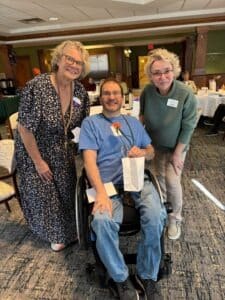
One Dirigo Pines team member previously worked as a Certified Therapeutic Recreation Specialist supporting adults with brain injuries. During that time, she regularly visited a middle-aged man who used a wheelchair and was looking for ways to give back, build confidence, and feel more connected to others.  

Shortly after joining Dirigo Pines, she encouraged him to apply as a volunteer. Nearly a year later, he made the call. 

Today, he has been volunteering at Dirigo Pines for over a year and has formed strong bonds with residents. After his visits, he writes thoughtful “reports” sharing who he connected with, and any concerns staff should be aware of. 

What started as professional support turned into friendship, purpose, and personal growth for everyone involved. Through volunteering, he found renewed confidence and belonging, while residents gained a trusted companion and friend. 

His story is a reminder that everyone has something valuable to offer when they feel welcomed, supported, and appreciated. 

Get Involved in Your Local Community 

The benefits of volunteering with older adults extend far beyond service hours. Volunteers help create a feeling of connection and joy for residents, while often finding fulfillment and purpose themselves. In senior living communities, even small moments of kindness can make a meaningful and lasting difference. 

Whether you’re a student looking to give back, a local business seeking meaningful community involvement, a service organization, faith community, family member, or an individual with time and talents to share, there are many ways to make an impact. 

Find a Grace community near you and discover how your time, talents, and compassion can help create rewarding moments for older adults every day. 

Volunteering in senior living communities

Men’s Health Month: Prioritizing Health and Wellness in Later Life 

June is Men’s Health Month, a time to raise awareness about the importance of preventive care, healthy habits, and overall well-being.

Men’s Health Month: Prioritizing Health and Wellness in Later Life

June 15, 2026

June is Men’s Health Month, a time to raise awareness about the importance of preventive care, healthy habits, and overall well-being. While good health is important at every age, it becomes increasingly important as we grow older. 

The good news? Small, consistent choices can have a significant impact on quality of life, independence, and overall wellness. 

Common Health Concerns for Older Men 

As men age, they may face an increased risk of certain health conditions, including: 

  • Heart disease 
  • High blood pressure 
  • Diabetes Prostate health concerns 
  • Low testosterone and other hormonal changes 
  • Osteoporosis 
  • Depression and social isolation 

Regular checkups and conversations with healthcare providers can help identify potential concerns early and support better long-term health outcomes. 

The Importance of Preventive Care 

Preventive care plays a key role in healthy aging. Annual wellness visits, routine screenings, and health assessments can help detect issues before they become more serious. 

Men should work with their healthcare providers to stay up to date on recommended screenings and develop a plan that supports their individual health needs. 

Stay Active and Keep Moving 

Physical activity is one of the most effective ways to support overall health. Regular exercise can help improve strength, balance, heart health, and mobility while reducing the risk of chronic disease. 

Simple activities such as walking, stretching, swimming, or participating in group fitness classes can make a meaningful difference. 

Fuel Your Body with Good Nutrition 

A balanced diet supports energy, strength, and overall wellness. Eating a variety of fruits, vegetables, lean proteins, whole grains, and healthy fats can help support healthy aging and reduce the risk of certain health conditions. 

Making nutritious choices doesn’t have to be complicated—small improvements can add up over time. 

Don’t Overlook Social Connection 

Health extends beyond physical wellness. Staying socially connected can have a positive impact on mental and emotional health, helping reduce feelings of loneliness and isolation. 

Spending time with friends, participating in activities, pursuing hobbies, and engaging with others can contribute to a healthier and more fulfilling lifestyle. Research continues to show that strong social connections can support both mental and physical well-being as we age. 

To learn more about the impact of connection and community on healthy aging, watch our on-demand webinar, Life Is Better Together: The Importance of Connection and Community as We Age. 

How Senior Living Supports Healthy Aging 

Many senior living communities are designed to make healthy living easier by offering opportunities for physical activity, social engagement, nutritious dining, and wellness-focused programming. 

At Grace Management, Inc. communities, residents have access to enriching experiences, wellness opportunities, and meaningful connections that support overall well-being and help them continue living life to the fullest.  

Find a Grace community near you and discover how senior living can support a healthy, active, and connected lifestyle.  

This Men’s Health Month, remember to take time to focus on the habits that support long-term health. Whether it’s scheduling a checkup, getting active, connecting with others, or trying something new, every step toward better health matters.

Creating a Pet-Inclusive Culture in Senior Living Communities

Every pet-inclusive community starts with a shared belief: residents shouldn’t have to leave behind an important part of their lives.

Creating a Pet-Inclusive Culture in Senior Living Communities

May 29, 2026

Every pet-inclusive community starts with a shared belief: residents shouldn’t have to leave behind an important part of their lives when they transition to a senior living community. 

Pets are more than companions — they’re family, sources of comfort, daily motivation, and companionship that can positively impact emotional and physical well-being. In senior living communities, creating an environment where residents and pets can thrive together can make a lasting difference in quality of life. 

To explore what truly pet-inclusive living looks like, we spoke with leaders from four of our Grace Management, Inc. communities about their philosophy around pets, the impact they’ve witnessed firsthand, and the advice they’d offer others looking to create more welcoming spaces for residents and their furry (or feathered) companions. 

Q. How would you describe your community’s philosophy around pets and why it matters for residents’ quality of life?

Inspirations of Mesa – Mesa, AZ: 
Tracy M., Sales Director: At Inspirations of Mesa, we truly believe pets are family. Senior living should still feel like home, and for many residents, that includes the companionship, comfort, and unconditional love that pets provide. Pets often bring a sense of purpose, routine, emotional support, and even social connection, not only for the resident owner but for the community as a whole. We’ve seen how animals naturally create conversation, encourage interaction, and bring smiles to residents, families, and team members alike. 

Northgate Park – Cincinnati, OH: 
Martha B., Sr Life Enrichment Director: In our community, pets can greatly improve the quality of life for seniors by providing comfort, companionship, and most importantly a sense of purpose. We understand that caring for a pet helps maintain a stable mental and emotional well-being for our resident pet owners. It helps reduce the feeling of loneliness if they recently lost a spouse or family member or if they are more of an introvert. The daily task of caring for a pet helps build a routine and is something meaningful to look forward to each day. Our philosophy is that the pets in our community are part of our family. We help care for them and get snuggles in when we get a chance. 

These perspectives highlight a common theme — pets are family here. They provide comfort, routine, and emotional connection, all of which contribute to a stronger sense of home and belonging. 

Some of the most meaningful examples of pet-inclusive living come from the personal stories communities witness every day. 

Q. Can you share a specific story that illustrates the impact a pet has had on a resident’s emotional or physical well-being?

The Landon at Lake Highlands – Dallas, TX: 
Cami B., Life Enrichment Director: One resident was very isolated after losing their spouse, but their dog became a bridge back into community life. Daily walks led to conversations, friendships, and eventually participation in activities again. That little dog brought purpose, connection, and joy back into their life. 

Town Village Vestavia Hills – Birmingham, AL: 
Tara K., Life Enrichment Director: We have a resident that is wheelchair bound and a veteran; she is a little hesitant to be the initiator of making new friends. However, she has the most precious little lap dog that no one can deny is the cutest thing you have ever seen. That dog is the bridge she needs to reach other people, and everyone wants to come say hi to Sunshine. This has been instrumental in Denise being more present in the community and making friends. 

 Q. What Does a Truly Pet-Inclusive Community Look Like?

Creating a truly pet-inclusive community means more than just permitting pets — “It’s a practice. It means that the organization has thought about the person and the pet as a unit and has built a system that is meant to support both”. Explained Dr. Ben Olson of COVE Animal Health during the recent Grace Presents Webinar: The Power of Pets: How Pets Bring Purpose and Happiness in Later Life. 

Inspirations of Mesa:
Tracy M., Sales Director: To us, being pet-inclusive goes beyond simply allowing pets. It’s about intentionally creating an environment where pets are welcomed as part of the community culture. That includes supportive policies, understanding team members, pet-friendly spaces, and incorporating pets into community life whenever possible. 

We are currently working toward enhancing that experience even further through thoughtful touches such as pet resource information, local partnerships, and pet-friendly amenities that help both residents and families feel supported. The goal is to create an atmosphere where both residents and their pets can comfortably thrive together. 

Northgate Park: 
Martha B., Sr Life Enrichment Director: Being a truly pet-inclusive senior living community goes further than just allowing pets. We need to recognize that pets are an important part of our residents’ lives. That these pets support the quality of life for residents. Staff should be able, if not trained, to welcome and support both residents and their animals with compassion and flexibility.  

From pet-inclusive communities and walking paths to pet-focused events, these communities demonstrate that pet inclusion is woven into the resident experience in meaningful ways. 

Q. What advice would you give to communities looking to become more pet-inclusive? 

Creating a pet-inclusive culture doesn’t happen overnight, but leaders say the first step is understanding the important role pets play in residents’ lives. 

The Landon at Lake Highlands: 
Cami B., Life Enrichment Director: Start simple and lead with heart. Listen to residents, create opportunities for pets and people to connect, and build a culture that embraces companionship. Pets don’t just improve resident life; they help create community. 

Town Village Vestavia Hills:
Tara K., Life Enrichment Director: First, just being open to expanding your activities to include pets. Make sure when hiring that they are comfortable working in an environment with pets. 

Review and update your pet policy if needed. Policies are in place to protect residents, associates, and even the pet. Having designated pet areas and cleanup stations around the community is instrumental in keeping the property clean. 

Their advice emphasizes starting with empathy, listening to residents, and building policies and experiences that support both safety and connection. 

Creating Communities That Feel Like Home 

At the heart of every pet-inclusive community is a commitment to supporting the whole person — and that often includes the pets who bring comfort, companionship, and joy to everyday life. 

As these community leaders shared, fostering a welcoming environment for pets can strengthen resident well-being, encourage meaningful relationships, and create a stronger sense of home and belonging. 

At Grace Management, Inc., this philosophy is reflected in the everyday experiences created across our communities — where residents are encouraged to continue the routines, relationships, and moments that matter most to them, including those shared with beloved pets. 

Whether through wagging tails in the hallway, daily walks with neighbors, or quiet moments of companionship, pets continue to make an undeniable impact in senior living communities every day. 

Find a pet-inclusive Grace community near you!

Giving Back & Staying Connected: The Power of Volunteering for Seniors 

Staying active, engaged, and connected doesn’t stop in retirement. Discover how volunteering helps older adults stay involved, share experience, and make a difference.

Giving Back & Staying Connected: The Power of Volunteering for Seniors

May 14, 2026

Staying active, engaged, and connected doesn’t stop in retirement, it simply takes on new meaning. For many older adults, volunteering offers a powerful way to stay involved, share life experience, and continue making a difference. 

Beyond benefiting their community, volunteering also supports an individual’s own well-being. Studies from the National Institute of Health show that older adults who volunteer often experience improved mood, reduced loneliness, and a stronger sense of purpose in daily life. 

Why Volunteering Matters 

Volunteering helps seniors stay socially connected and mentally engaged, while also creating structure and purpose in their everyday life. It can ease feelings of isolation and support emotional well-being, especially during life transitions. 

For many seniors, it’s not just about giving time. It’s about staying connected to something bigger than themselves. 

Benefits of Staying Active through Service 

Volunteering has been linked to a range of meaningful benefits for older adults, including improved emotional well-being, reduced feelings of loneliness, increased cognitive and physical activity, and a stronger sense of purpose. Together, these outcomes contribute to healthier aging by supporting both mental and physical health.  

Ways Seniors Can Get Involved 

Volunteering opportunities can be flexible and tailored to individual interests and abilities. Seniors can often get involved within their local communities by: 

  • Supporting local nonprofits or food drives  
  • Mentoring or tutoring younger generations  
  • Assisting with community events or programs  
  • Volunteering at animal shelters or rescue organizations 
  • Offering companion support at hospitals or hospice programs 
  • Volunteering in a Senior Living Community   

Even small contributions can make a meaningful impact. 

A Continued Sense of Purpose 

One of the most powerful aspects of volunteering is the emotional fulfillment it brings. Many residents find that giving back helps them stay confident, connected, and engaged in daily life. 

Giving Back with Grace 

At Grace Management, Inc., giving back is an important part of community life. Through the Graceful Giving program, residents and team members come together each month to support meaningful causes in their local communities. 

These ongoing efforts take many forms, from collecting food donations for local pantries and organizing school supply drives for nearby classrooms, to making blankets and crocheting hats for children in need and delivering snacks to children’s hospitals.  

Graceful Giving is more than a program, it’s a reflection of a shared commitment to kindness, connection, and service. It provides residents with consistent opportunities to stay engaged, give back, and make a meaningful impact right from where they live. 

Join Us in Making a Difference 

If you enjoy spending time with seniors and want to make a meaningful impact, there are also opportunities to volunteer within our senior living communities. Volunteers can help enrich daily life by joining in on activities, assisting with events, or simply spending time connecting with residents. 

These moments of connection can be incredibly rewarding—for both residents and volunteers—and help create an engaging and supportive community environment. It’s a simple way to share your time while making a real difference in someone’s day. 

Whether you have a volunteer opportunity that could be a great fit for seniors or you’re interested in volunteering with a Grace senior living community yourself, we’d love to connect with you and explore ways to make a meaningful impact together.  For more information email info@gracemanagement.com.  

Find a Grace Management, Inc community near you.  

The Power of Volunteering for Seniors

How Pets Support Healthy Aging: 5 Physical Benefits for Seniors

Discover five ways pets can support senior wellness, from daily movement and heart health to mobility, connection, and overall quality of life.

How Pets Support Healthy Aging: 5 Physical Benefits for Seniors

May 7, 2026

As we age, staying physically active and maintaining overall wellness becomes increasingly important. While exercise routines and nutrition often take center stage, one powerful contributor to healthy aging that is often overlooked is pet ownership.  

Here are five key physical health benefits seniors experience through pet ownership. 

1. Increased Daily Activity 

Caring for a pet naturally encourages movement throughout the day. Whether it’s walking a dog, playing with a cat, or handling daily care tasks, these small but consistent activities add up. 

According to the Centers for Disease Control and Prevention, regular interaction with pets increases opportunities for physical activity and time spent outdoors. For many seniors, this provides a simple, enjoyable way to stay active without needing a structured fitness routine. 

2. Improved Heart Health 

Did you know, pet ownership has been linked to better cardiovascular health? Activities like walking a dog and playing fetch can support lower blood pressure, cholesterol, and triglyceride levels over time.  

Ongoing research suggests that pet ownership can play a meaningful role in supporting overall physical health and well-being in seniors. Even moderate, consistent movement can make a meaningful difference in long-term heart health. 

3. Better Mobility and Strength 

Daily pet care involves natural movements that support flexibility, balance, and muscle strength. These are key components of maintaining independence with age. 

Simple actions like bending to fill a food bowl, walking on uneven surfaces, or engaging in light play can help seniors maintain mobility and reduce the risk of physical decline. Some studies have even found that pet owners may experience fewer health conditions and improved overall functioning compared to non-owners.  

4. Support for Healthy Routines 

Pets thrive on consistency, and that structure can be incredibly beneficial for seniors. Feeding schedules, walks, and daily care create a built-in routine that encourages regular movement and activity. 

This consistency often leads to more frequent physical engagement throughout the day, something that plays a key role in maintaining long-term health and independence. 

5. Encouragement to Spend Time Outdoors 

For many seniors, getting outside regularly can become more challenging, but pets provide a natural reason to step outdoors. 

Whether it’s a walk around the neighborhood or time spent in the yard, pets help increase exposure to fresh air and sunlight. Pet ownership is directly associated with more opportunities for outdoor activity and movement. This added time outside supports physical health while contributing to overall well-being. 

A Healthier, More Active Lifestyle 

Healthy aging isn’t just about big changes, but more often the result of small, repeated habits. Pets help create those habits, encouraging seniors to move more, get outside, and stay engaged throughout the day. 

It’s a simple shift, but one that can have a lasting impact on physical well-being. 

Discover a Pet-Friendly Senior Living Community  

At Grace Management, Inc. we understand that pets are part of the family, and an important part of a healthy, active lifestyle. That’s why our communities are proudly pet-friendly, offering welcoming environments where residents and their pet companions can live vibrantly, together. 

Find a Grace Senior Living Community near you. 

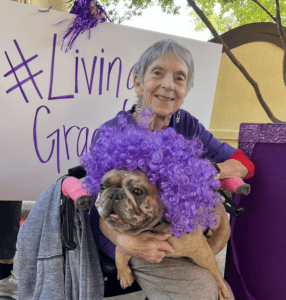
Woman with a dog in purple wig

Routine, Purpose, and Joy: 5 Ways Pets Support Daily Life for Seniors

Discover how pets support senior living through routine, purpose, and joy. Learn five meaningful ways pets enhance daily life, boost well-being, and foster connection for older adults.

Routine, Purpose, and Joy: 5 Ways Pets Support Daily Life for Seniors

April 20, 2026

There’s something special about the quiet rhythm of a day that begins with a wagging tail or a gentle nudge for attention. Whether it’s a morning walk or a shared moment relaxing, pets have a way of bringing structure and meaning into everyday life. 

For older adults, especially those transitioning into senior living communities, maintaining a sense of independence, identity, and routine is essential. Pets play a powerful role in supporting that continuity, offering not just companionship, but a deeper sense of purpose, joy, and connection. 

Here are five meaningful ways pets enrich daily life: 

1. They Create a Natural Daily Routine 

Caring for a pet introduces a gentle structure to each day. Feeding schedules, walks, grooming, and playtime all contribute to a consistent rhythm. 

This sense of routine can support cognitive well-being, reduce stress, and provide a feeling of stability, all while still allowing residents the flexibility to engage in their day on their own terms. According to the Centers for Disease Control and Prevention, interacting with pets can help decrease blood pressure, reduce feelings of loneliness, and increase opportunities for physical activity.
 

2. They Provide a Renewed Sense of Purpose 

Pets rely on their owners for care, attention, and love, a responsibility that can be incredibly meaningful. 

For many seniors, especially during times of transition, having something to care for reinforces a sense of purpose. It’s a daily reminder that they are needed, valued, and making a difference. 

3. They Bring Joy to Everyday Moments 

Some of the most meaningful moments are also the simplest. A playful interaction, a comforting presence, or the companionship of a pet can instantly brighten the day. 

 Pets naturally reduce stress and bring a sense of light into daily life, creating moments of genuine happiness without the need for anything elaborate.

The Mayo Clinic notes that pets can help reduce loneliness, lift mood, encourage routine, and even support healthier levels of activity, making them powerful companions in daily life as we age. 

4. They Encourage Social Connection 

Pets have a unique way of bringing people together. A walk down the hall or time spent outdoors often leads to conversation and connection with neighbors, team members, friends, and visitors. 

These small interactions help foster a stronger sense of community and belonging, making it easier to build and maintain meaningful relationships. 

5. They Help Support a More Vibrant Lifestyle 

In pet-friendly senior living communities, residents are empowered to continue the lifestyles they love, pet companions included. 

By removing barriers and embracing the role pets play in well-being, communities can support a more vibrant, engaging, and fulfilling experience. 

At the heart of it all, pets make each day feel fuller. Through routine, they bring structure. Through care, they create purpose. Through companionship, they spark joy. 

Explore Pet-Friendly Senior Living with Grace Management, Inc 

Looking for a senior living community that welcomes both you and your pet? Grace Management, Inc. offers thoughtfully designed communities where residents can enjoy connection, comfort, and a truly vibrant lifestyle — pets included.

Explore our communities
 and find a location near you.

A Rare Milestone: Three Centenarians at Snow Canyon Retirement Community

Snow Canyon Retirement Community honors three centenarian residents in Santa Clara, Utah, celebrating 100, 101, and 102 years of life, legacy, and connection.

A Rare Milestone: Three Centenarians at Snow Canyon Retirement Community

February 10, 2026

Santa Clara, Utah — Snow Canyon Retirement Community is proud to celebrate an extraordinary milestone within its community: three remarkable residents who have reached the ages of 100, 101, and 102, a rare and inspiring achievement that reflects a lifetime of resilience, wisdom, and lived history.

Centenarians represent one of the fastest-growing age groups in the nation, yet it remains a rare honor for one community to be home to three individuals who have crossed the century mark together. These residents have lived through world-changing events spanning more than a century—wars, economic shifts, technological revolutions, and generations of family legacies—each carrying stories that connect the past to the present.

“At Snow Canyon Retirement Community, we believe longevity is not just about years lived, but about the quality of life, dignity, and connection experienced along the way,” said Michele Bettridge, Sales Director. “To witness three residents reach 100, 101, and 102 is both humbling and celebratory. These individuals remind us of the importance of honoring our elders and preserving their stories.”

Snow Canyon Retirement Community provides independent living, assisted living, and memory care support, with a focus on elevated hospitality, personalized care, and meaningful daily engagement. The community emphasizes wellness, purpose, and human connection—values that contribute to residents continuing to thrive at every stage of life.

The centenarian residents were recently recognized within the community, surrounded by fellow residents, associates, and family members who gathered to honor their lives and legacies. Plans are underway to further celebrate their contributions and share their stories with future generations.

Snow Canyon Retirement Community extends its gratitude to the families who have entrusted their loved ones to the community and recognizes the dedication of its associates who play a vital role in supporting residents’ longevity and quality of life.

For more information or media inquiries, please contact Media@GraceManagement.com.

Snow Canyon Retirement Community Celebrates Three Residents Over 100